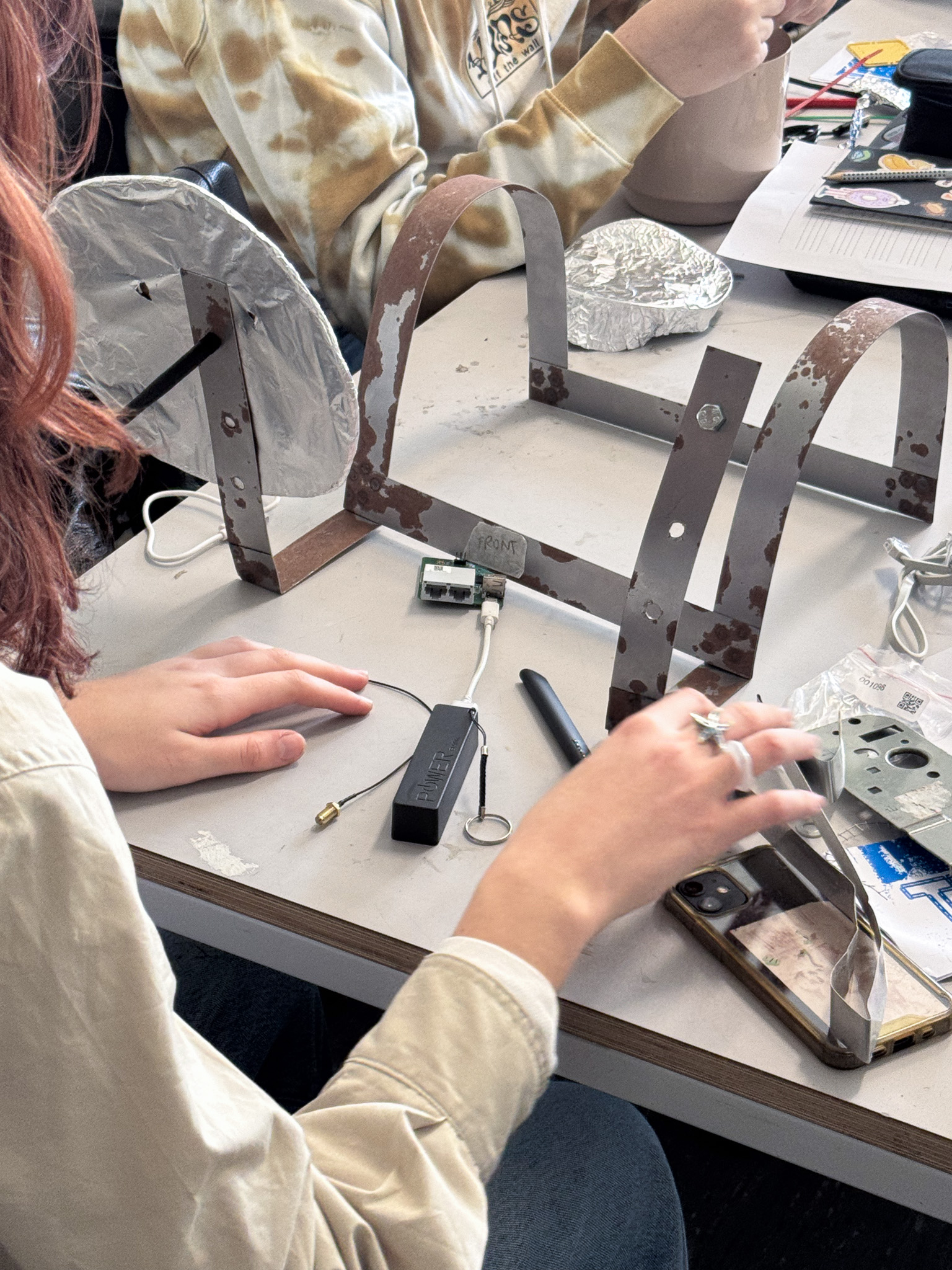
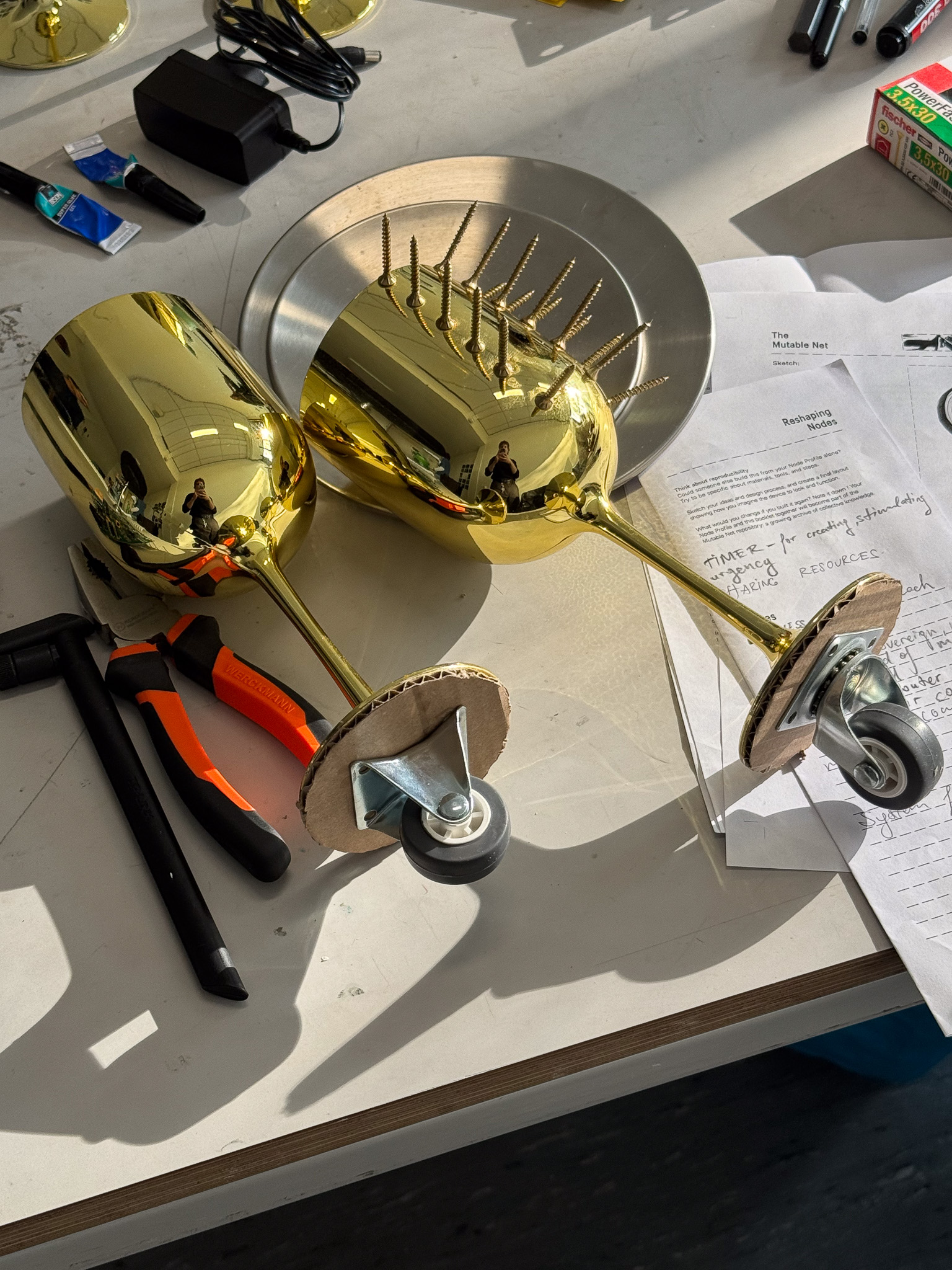
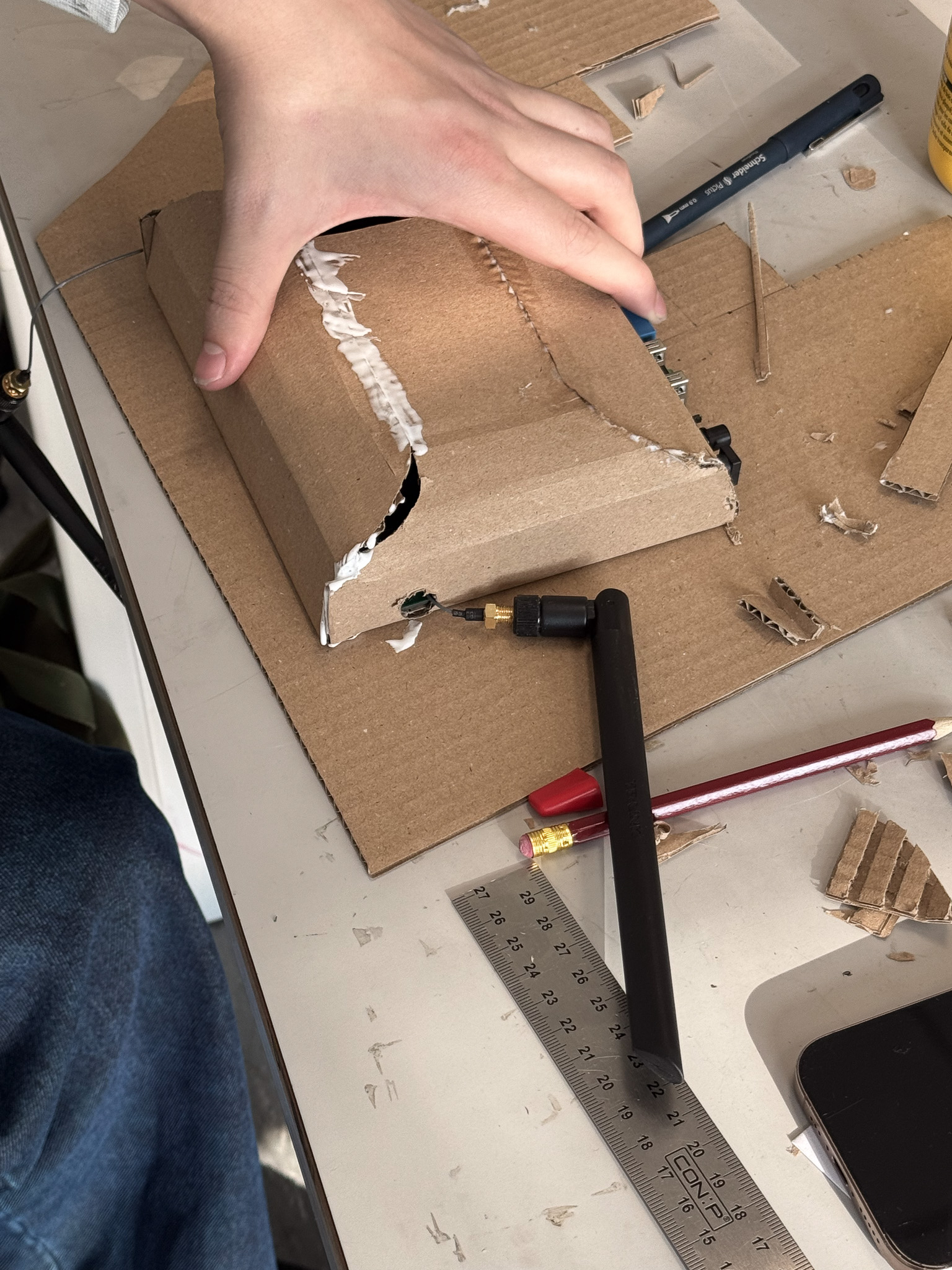
Flashed, Meshed & Shared — with students from Design Art Technology at ArtEZ University of the Arts, Arnhem (NL)
Flashed, Meshed & Shared was designed as a hands-on workshop dedicated to building alternative, community-based network infrastructures.
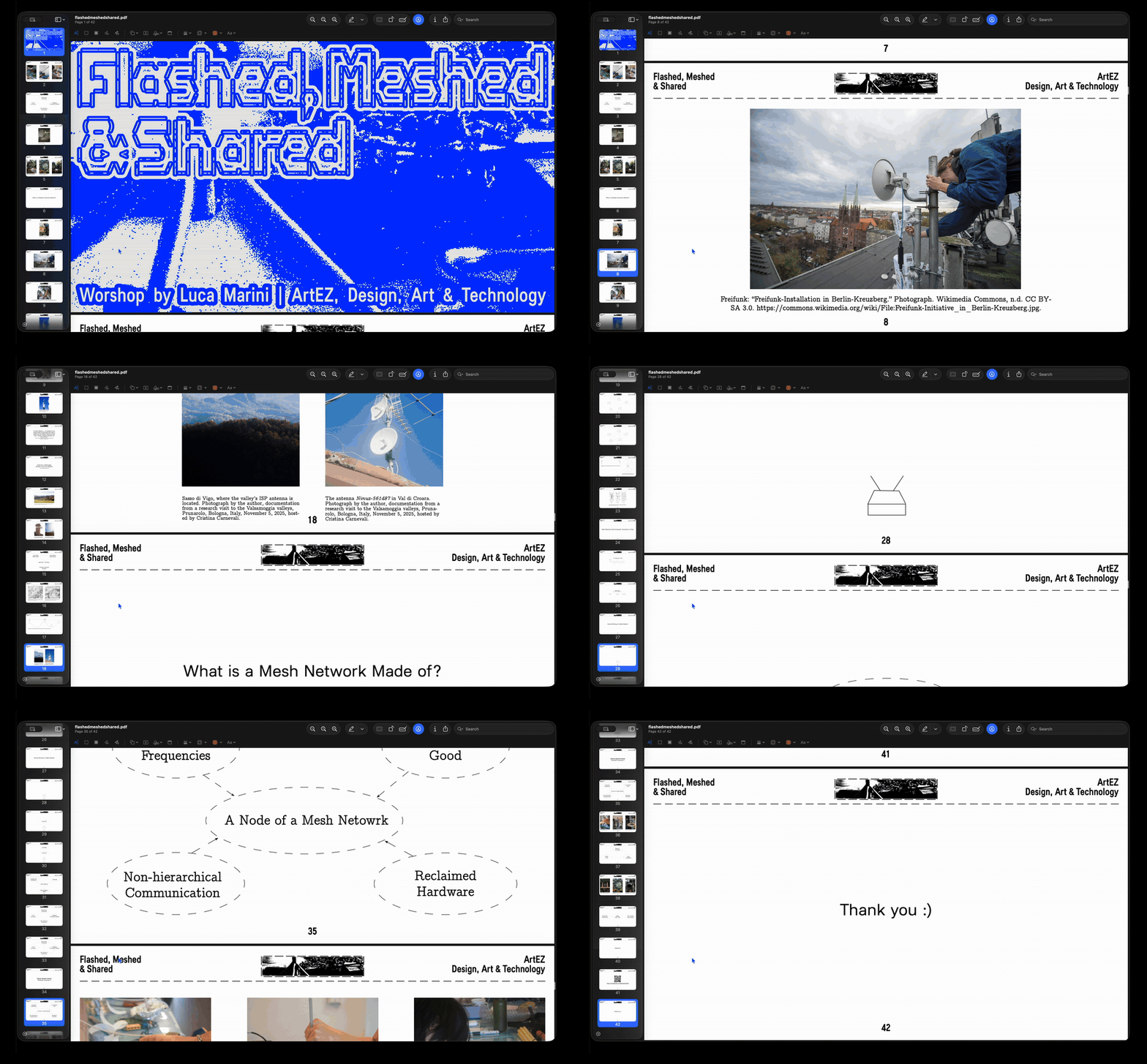
On November 2, 2026, we introduced the students of Design Art Technology to mesh networks and the OpenWrt and LibreMesh software. We explored the principles behind shared communication systems and the urgency of creating them, drawing on the practice of wireless community networks. After a presentation that provided context for the workshop, we read and discussed materials to help participants identify what they found most compelling about the practice and begin thinking about what they wanted to focus on in preparation for the lab session on November 9, 2026.
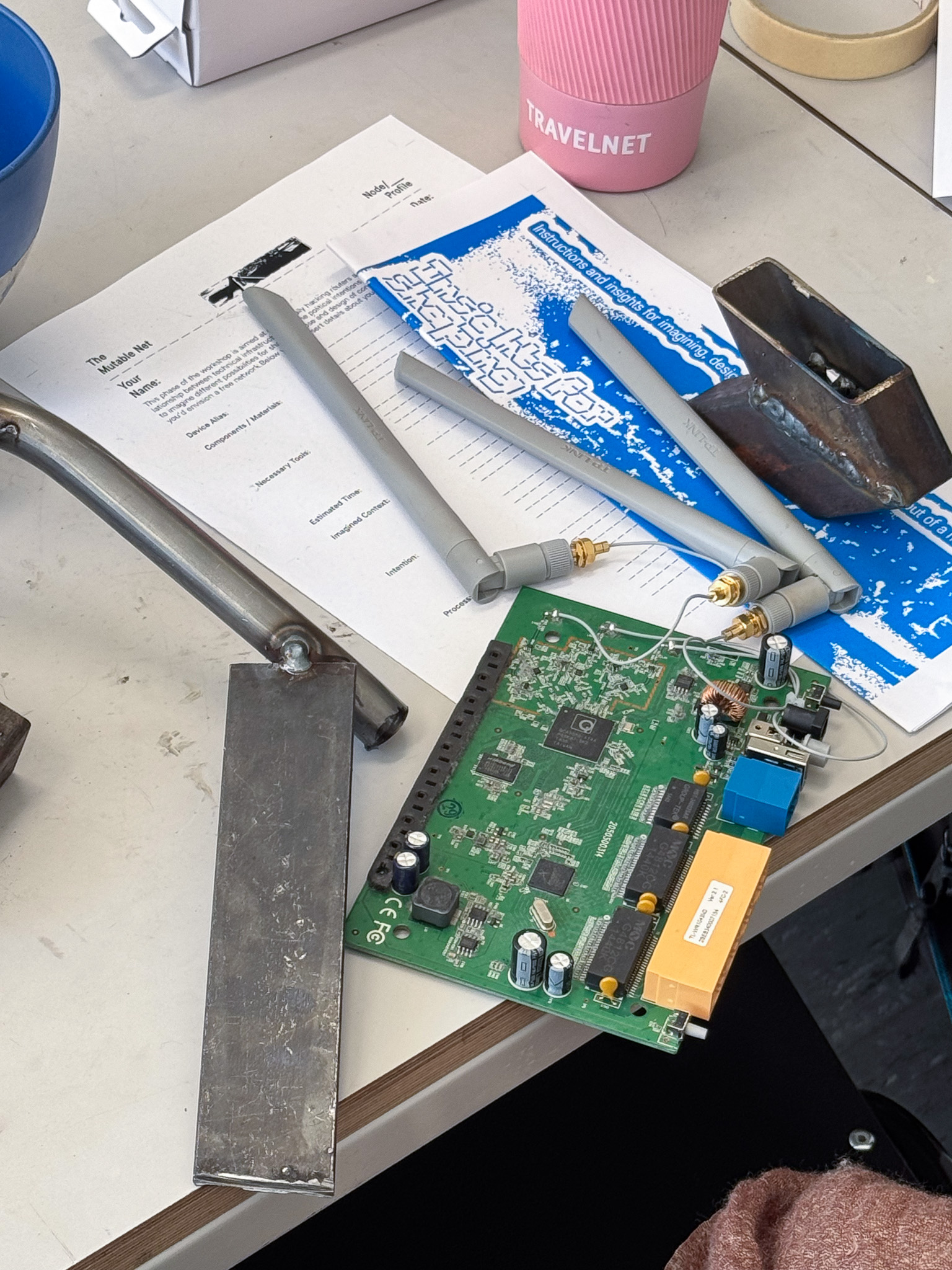
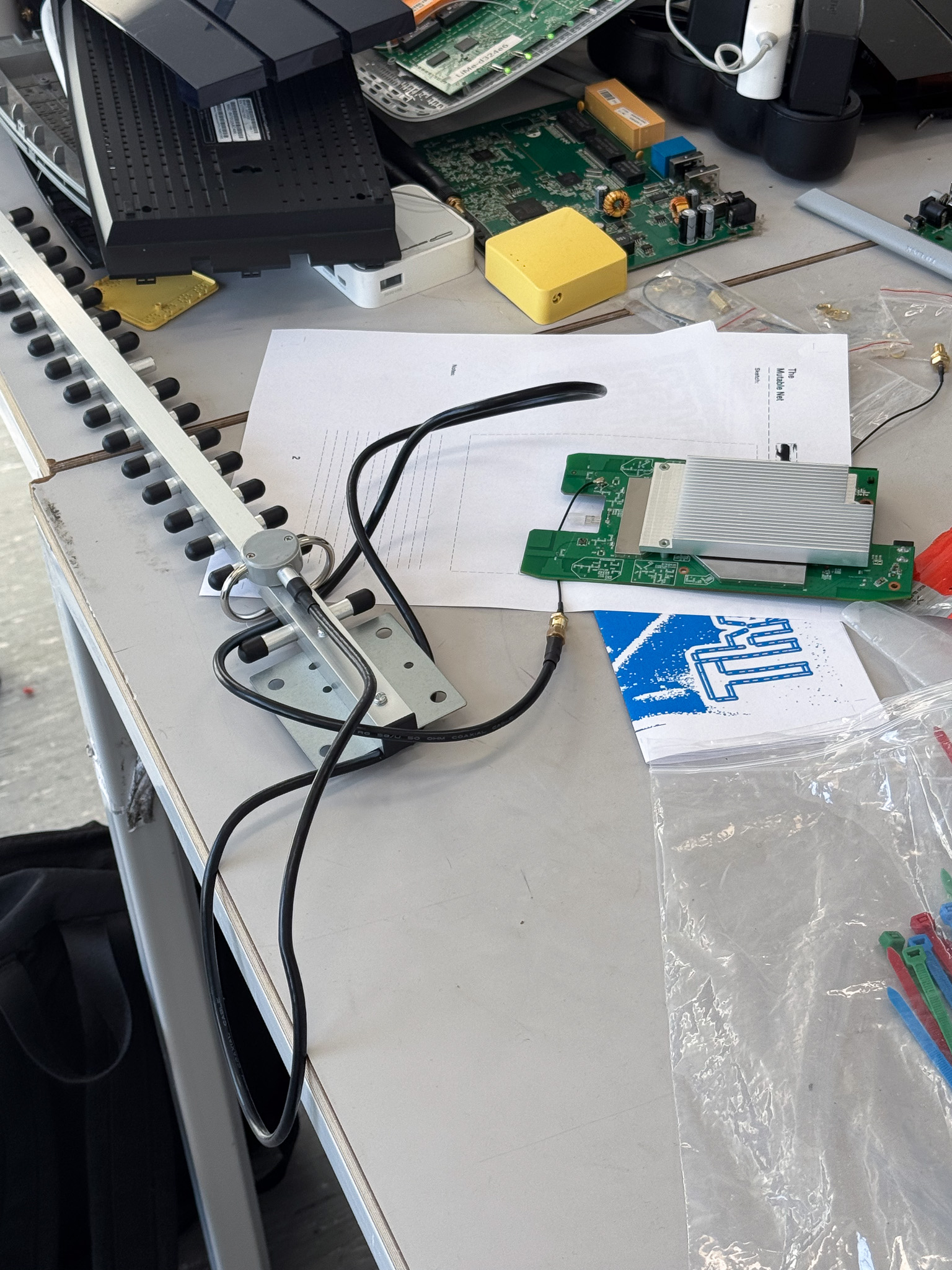
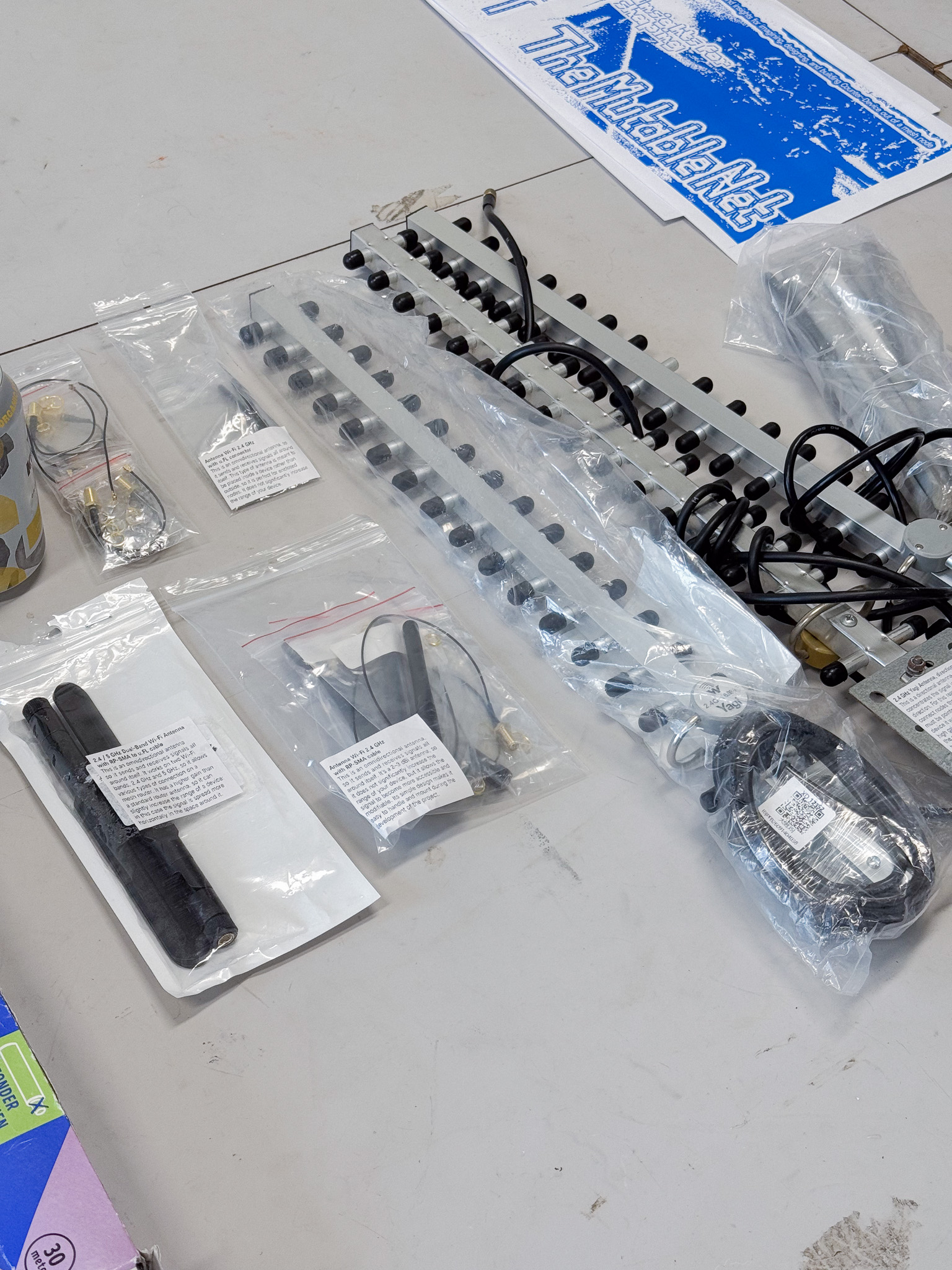
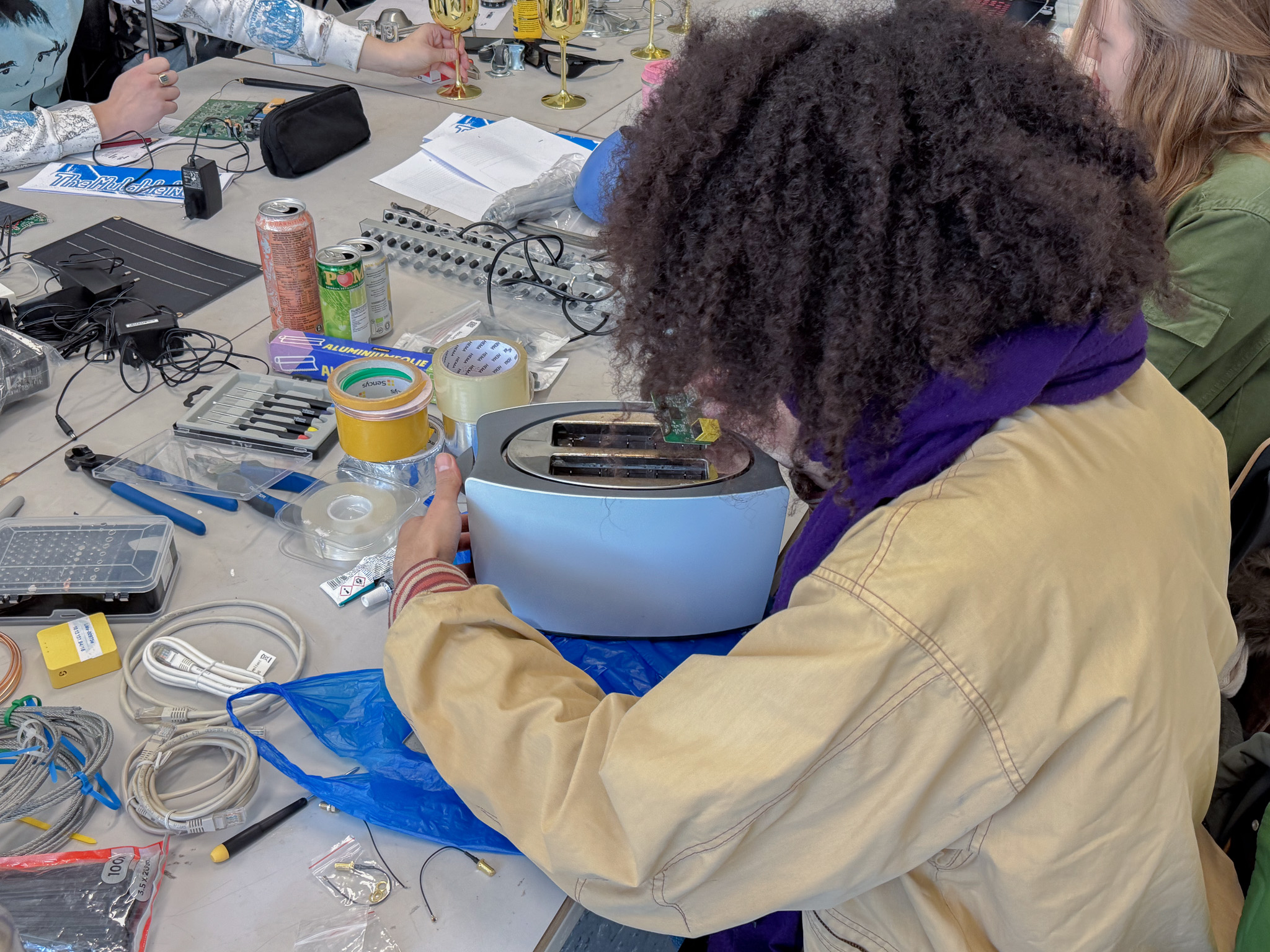
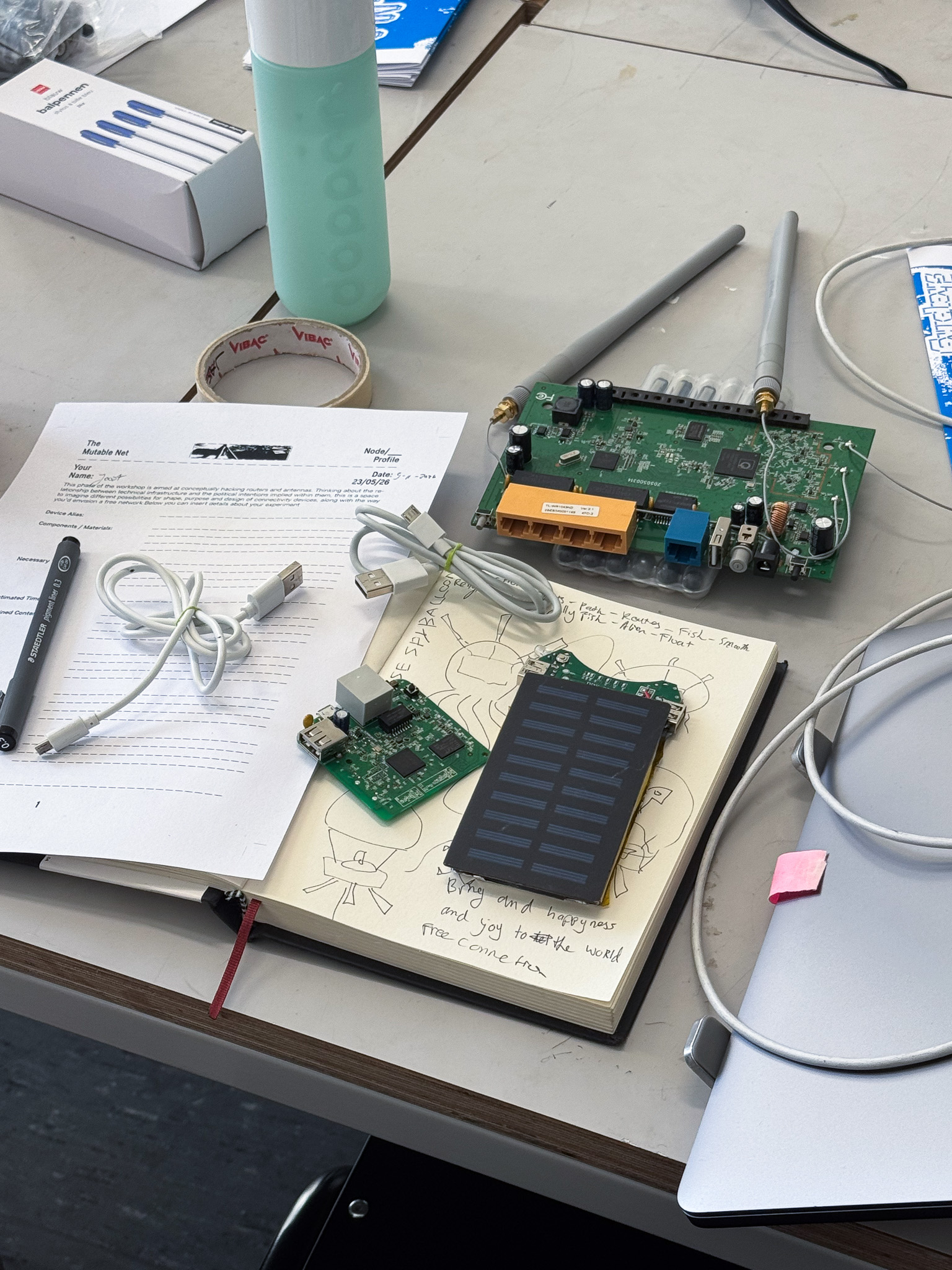
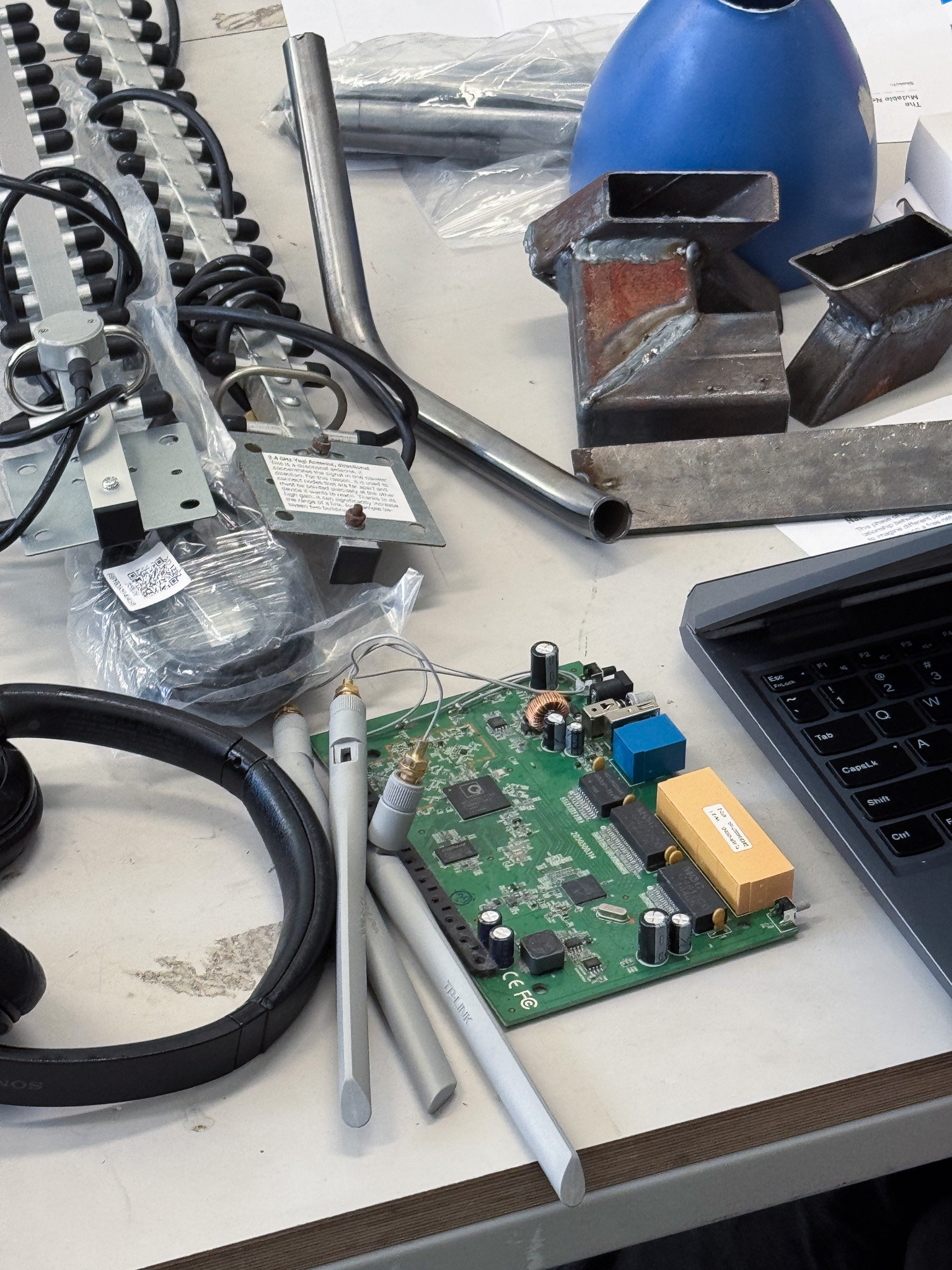
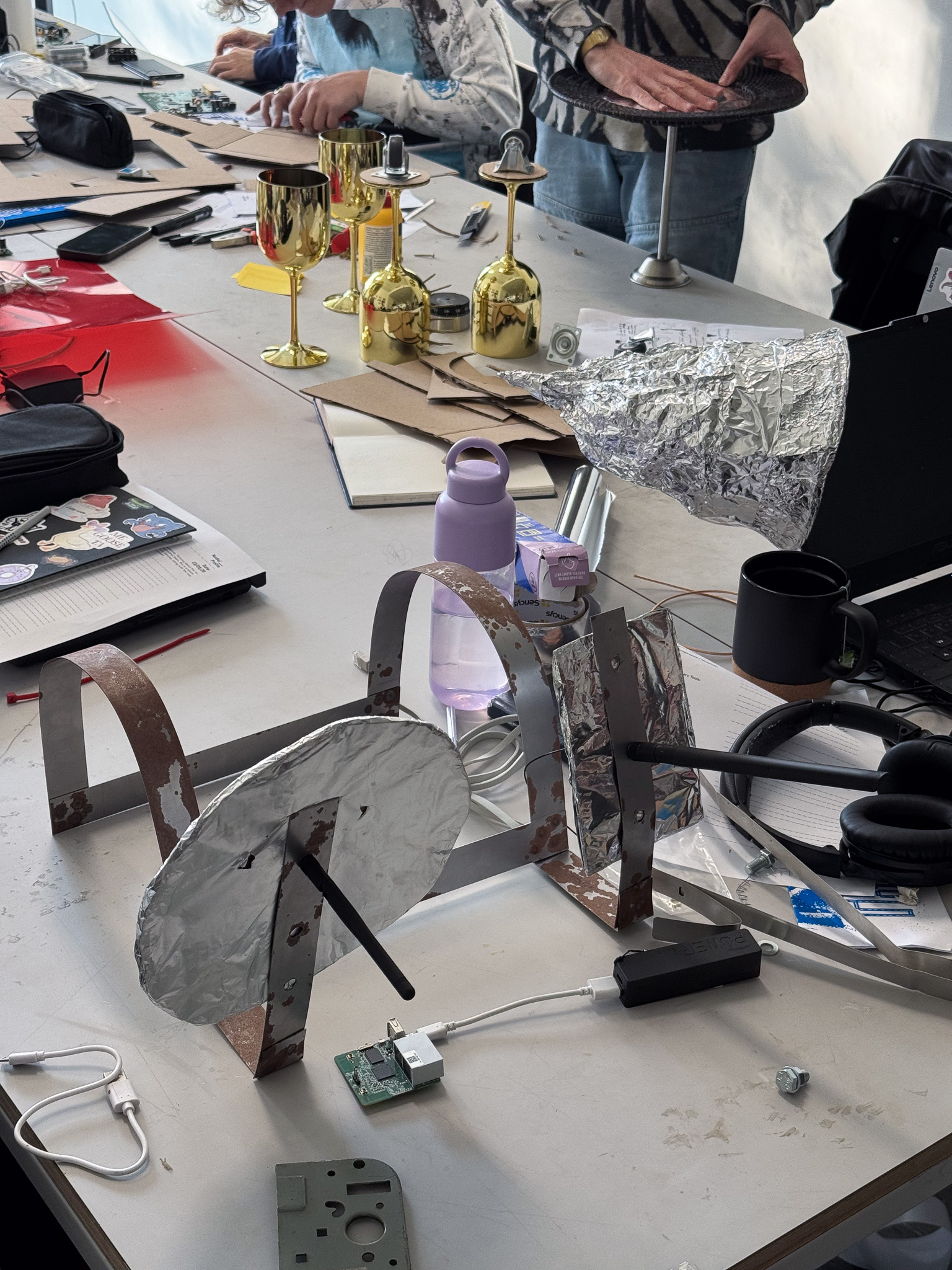
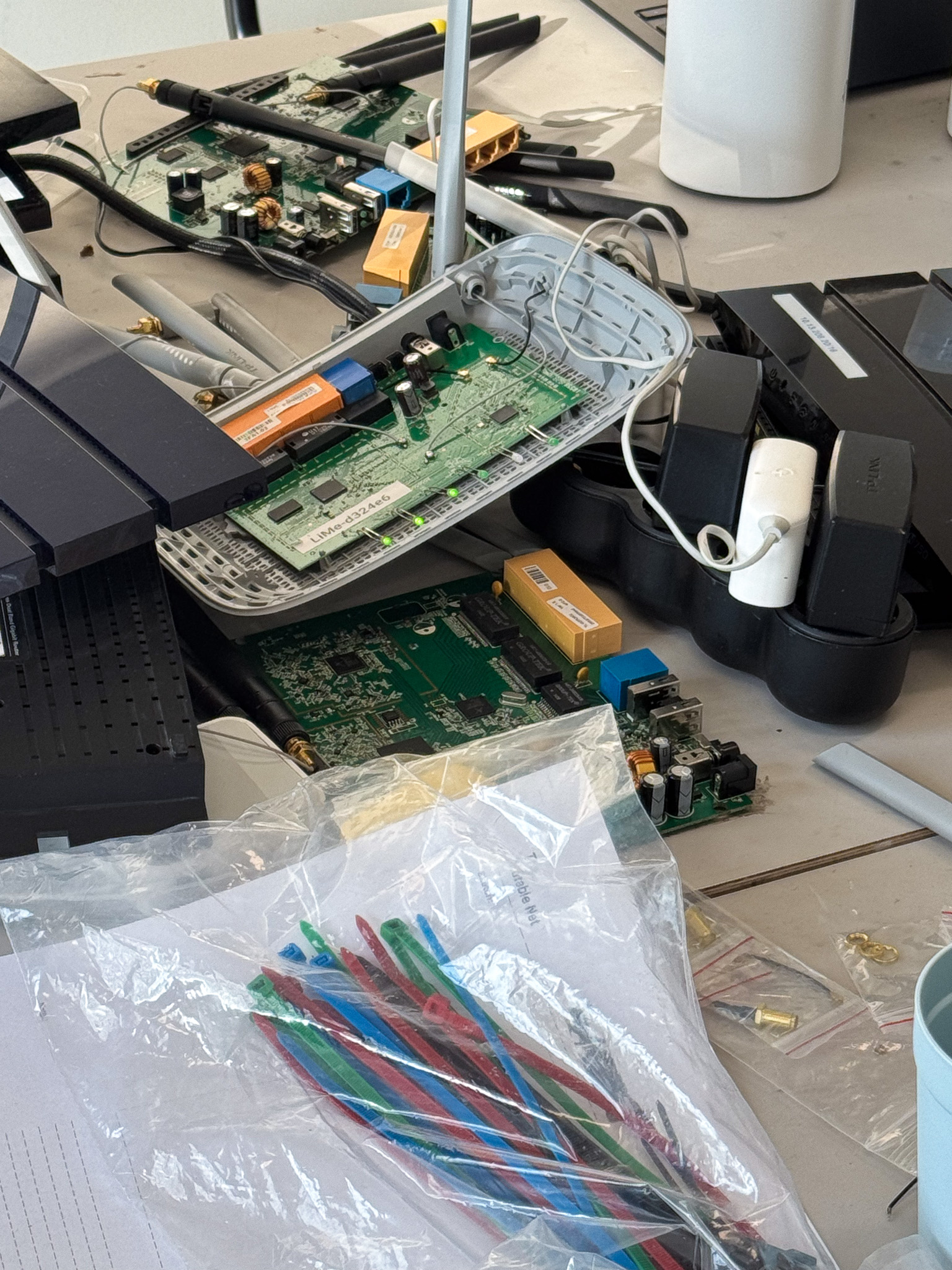
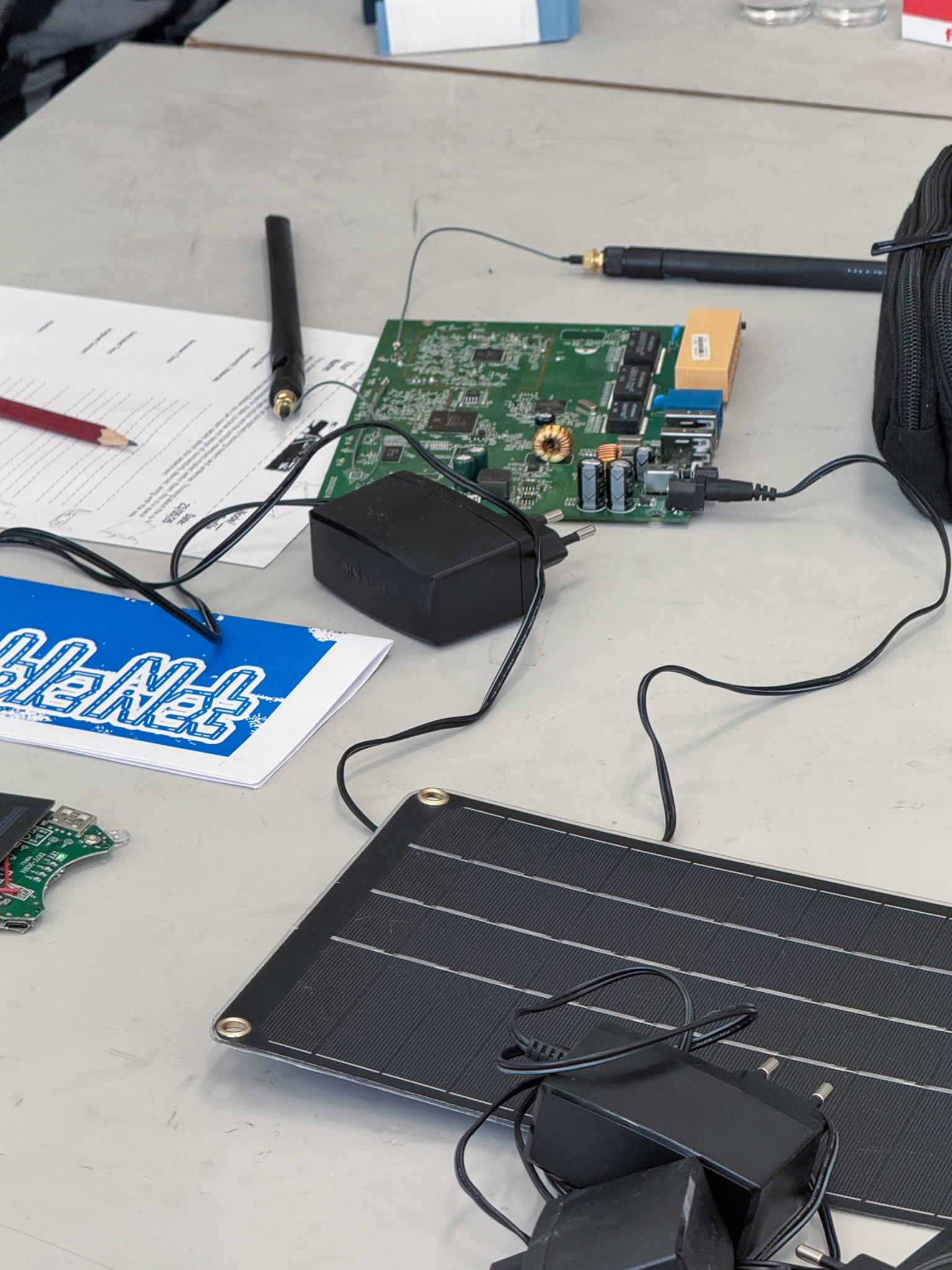
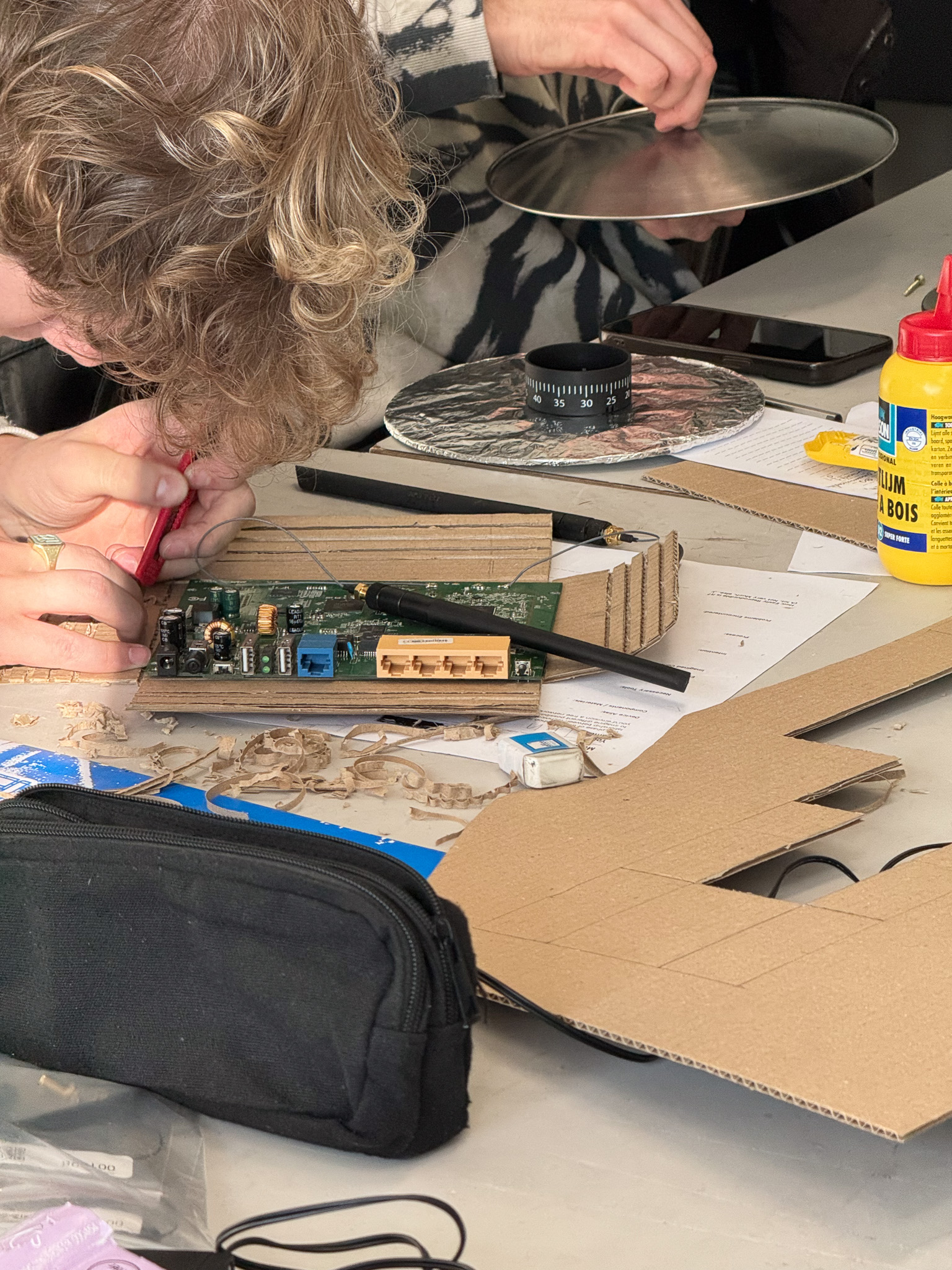
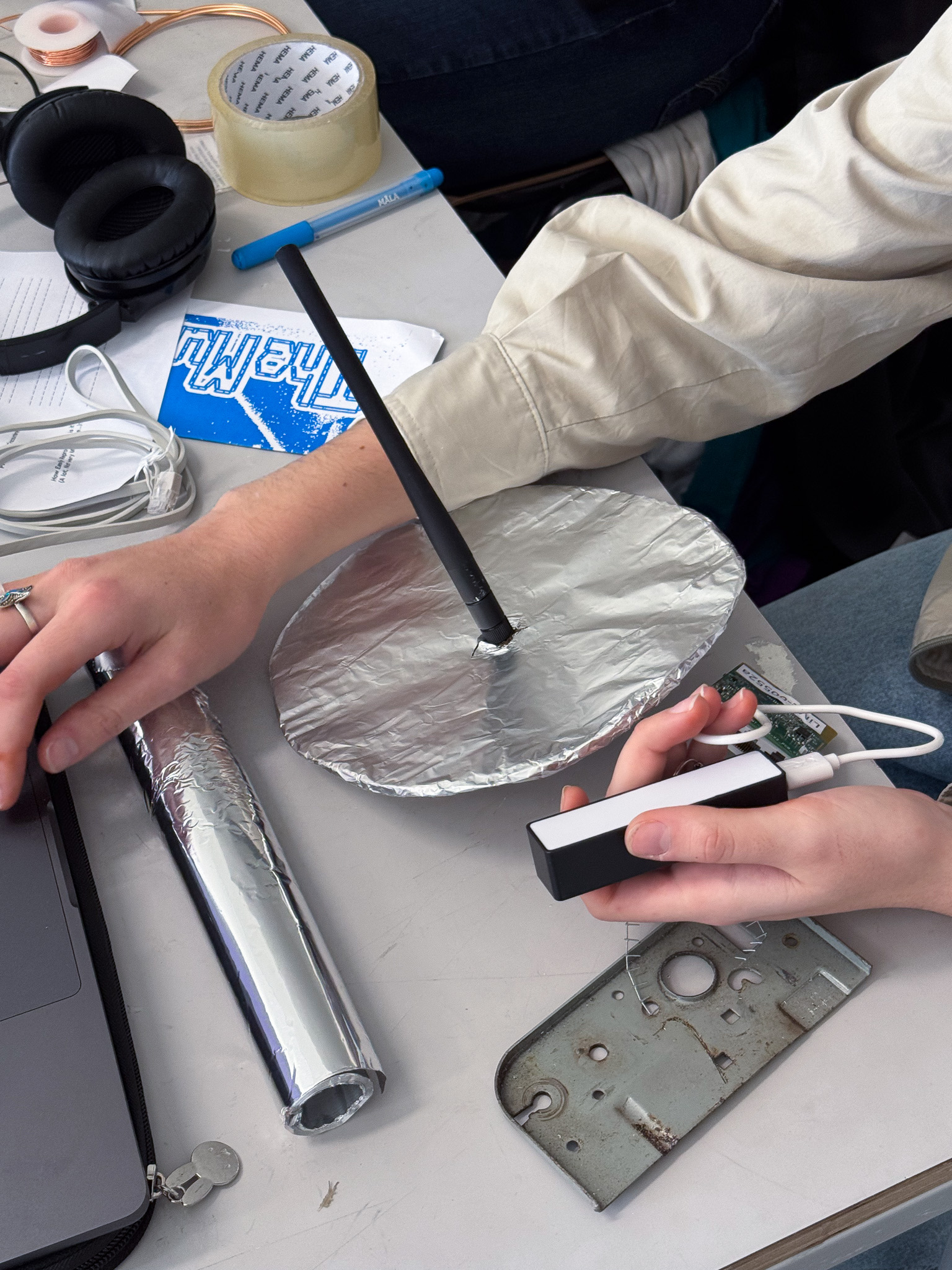
On November 9, 2026, we took a more hands-on approach: we dismantled mesh routers and antennas and turned them into open, adaptable devices designed to respond to communities’ needs. The workshop proposed the ethical hacking and reuse of network technologies as practices of learning and critical thinking, prompting questions about the relationship between communication infrastructures, power, and political agendas. Its objective was to imagine new forms of free, mutable, and shared connectivity, promote non-hierarchical ways of producing knowledge, and reflect on the autonomy of communication infrastructures. We designed connection devices with reproducibility in mind, imagining different uses suited to collective needs and drawing on the flexibility offered by the decentralised structure of mesh networks.
Links to explore the work of the BA Design Art Technology programme at ArtEZ (Arnhem, NL):
Theoretical and Practical Sources
The readings below provide a theoretical and practical framework for understanding the urgency and motivations behind creating a shared mesh network:
After engaging with a source of their choice, participants wrote down comments, excerpts, or keywords to help create a space for discussion:
Building your Mesh Device
Below is an archive of prototypes developed in previous workshop sessions:
Some Examples
Reference materials on DIY approaches to building network devices:
Testing Signals
The following concepts and tools can be useful when developing projects involving wireless signals.
RSSI (Received Signal Strength Indicator) can help you measure and track changes in the strength of a signal received by your device. It indicates how strong a signal from a particular router or antenna is when it reaches your phone or laptop. RSSI is measured in dBm and Wi-Fi signal values are typically negative: the farther a value is from 0, the weaker the signal (for example, -80 dBm is weak); the closer it is to 0, the stronger the signal (for example, -50 dBm is strong).
A change of 3 dB or more is often more meaningful than a small fluctuation. For example, a change from -70 dBm to -69 dBm may be a normal fluctuation, while a change from -70 dBm to -64 dBm is more likely to indicate an improvement.
Below are some apps and tools for working with wireless signals:
Documents
To document the creation process of our mesh devices, we used a Node Profile template:
To guide the design process, we used this short booklet to help us make key design decisions: